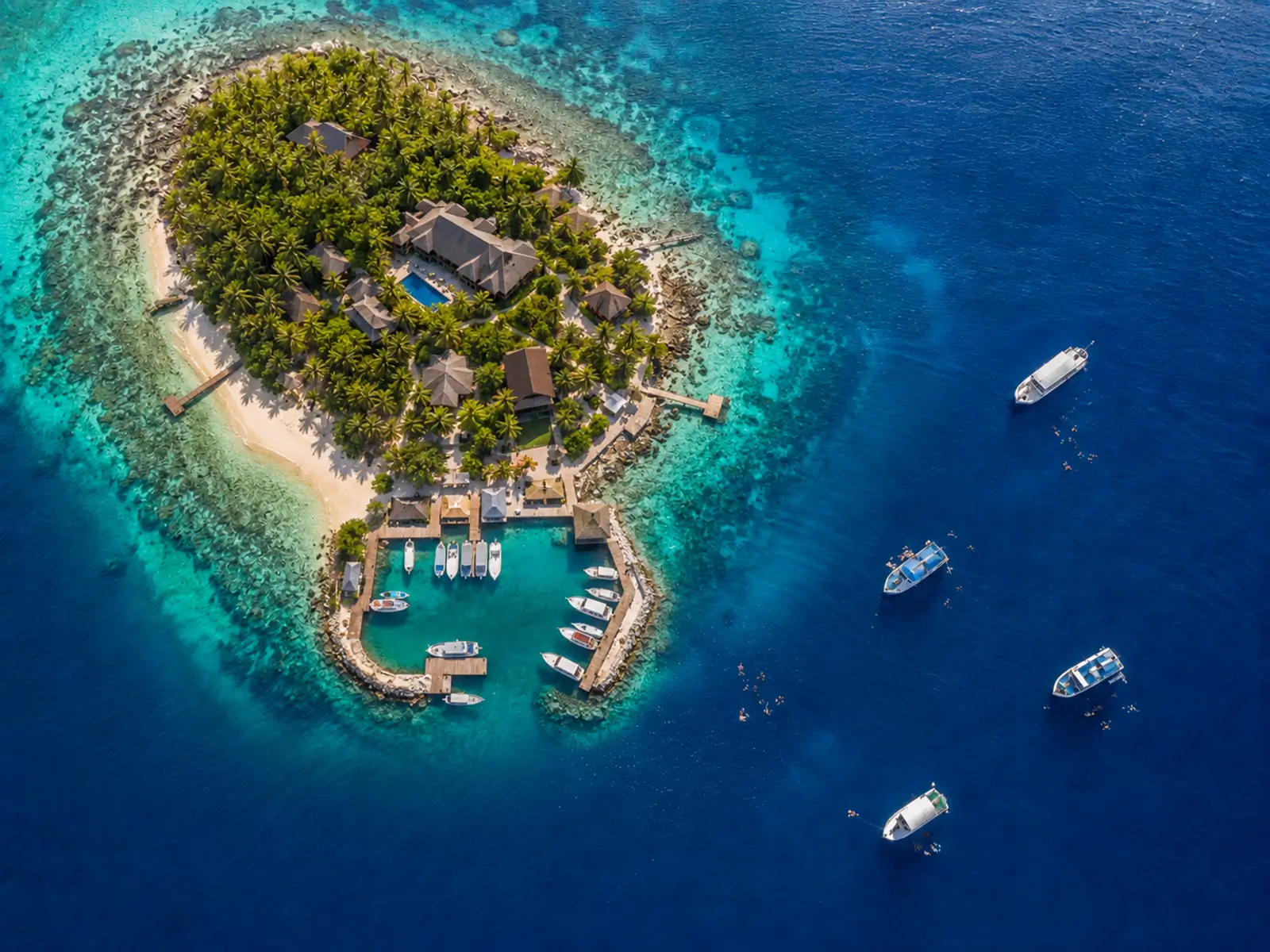
Island Dive Markets: Pros and Cons for Dive Business Buyers
Many dive businesses are located on islands — and for good reason.
Islands often have strong tourism appeal, clear destination branding, easy access to dive sites and a natural connection with ocean activities. For buyers looking at dive centers, dive boats or small scuba operations, island markets can look very attractive.
A dive center in the Canary Islands, Caribbean, Maldives, Indonesia, Philippines, Greece, Malta or another island destination may offer exactly the lifestyle many buyers imagine.
But island markets are not always simple.
An island can create strong demand, but it can also create higher costs, limited staff availability, supply delays, dependence on flights or ferries and a smaller local market.
On "Dive Listings", buyers can compare island-based dive businesses with mainland and coastal opportunities. This guide explains the main advantages and risks of island dive markets from a business point of view.
If you are still comparing regions, start with "best dive markets". If you are focused on stable monthly demand, also read "year-round dive destinations".
1. Islands Often Have Strong Destination Appeal
One of the biggest advantages of island dive markets is clear destination appeal.
Many travelers choose islands specifically for the sea, beaches, reefs, boat trips, snorkeling and diving. This makes it easier for a dive business to connect with tourist demand.
Island destinations often attract:
- Holiday divers
- Beginner divers
- Snorkelers
- Families
- Resort guests
- Cruise passengers
- Underwater photographers
- Liveaboard guests
- Adventure travelers
- Repeat visitors
This can help a dive center because diving feels like a natural part of the trip.
A mainland city may need to work harder to convince tourists to dive. An island destination often already has the ocean as part of the holiday experience.
That built-in connection can support customer demand.
2. Access to Dive Sites Can Be a Major Advantage
Many island dive businesses benefit from close access to dive sites.
This can reduce travel time, improve customer experience and allow multiple trips per day.
Island dive operations may offer:
- Shore dives
- Short boat transfers
- Reef dives
- Wreck dives
- Snorkeling areas
- Night dives
- Private trips
- Island-hopping dive routes
- Liveaboard connections
Shorter logistics can improve profitability if the business can run trips efficiently.
For example, a dive center with nearby shore sites may operate with lower boat costs. A boat-based business with famous reefs nearby may attract certified divers willing to pay more for quality trips.
But access should be checked carefully.
A business may advertise great dive sites, but the buyer should understand how those sites are reached, what permissions are needed and whether weather can block access.
3. Island Logistics Can Increase Costs
Island businesses often face higher logistics costs than mainland businesses.
Many supplies need to arrive by ferry, cargo, air freight or regional distributors.
This can affect:
- Dive equipment purchases
- Spare parts
- Compressor parts
- Boat parts
- Retail stock
- Fuel
- Building materials
- Repairs
- Technical servicing
- Delivery times
A small part that would be easy to replace on the mainland may take longer or cost more on an island.
This matters because dive businesses rely on equipment, compressor reliability, boats, tanks and safety gear.
Before buying an island dive business, ask:
- Where do spare parts come from?
- How long do deliveries usually take?
- Are local technicians available?
- Are compressor services available on the island?
- Are boat repairs easy to arrange?
- Are equipment suppliers reliable?
- Are import taxes or shipping costs significant?
Island logistics do not make a business bad, but they must be priced into the operation.
 |
4. Staff Availability May Be Limited
Finding and keeping good staff can be harder on some islands.
A mainland destination may have a larger pool of instructors, divemasters, mechanics, office staff and seasonal workers. An island may have fewer people available locally.
This can affect:
- Instructor recruitment
- Multilingual staff
- Boat crew
- Compressor technicians
- Equipment servicing
- Front-desk staff
- Seasonal hiring
- Staff accommodation
In popular islands, staff may also face high living costs or housing shortages. That can make recruitment harder, especially during peak season.
Before buying, check whether the business already has a reliable team and whether key staff are likely to stay after the sale.
If the operation depends on one instructor, one boat captain or the current owner, the buyer should understand the replacement risk.
5. Housing and Cost of Living Matter
Staffing is connected to housing.
On some islands, accommodation can be expensive or difficult to find. This affects both the owner and the team.
A dive business may struggle if instructors cannot afford to live near the business or if seasonal workers leave because housing is unavailable.
Buyers should check:
- Staff accommodation availability
- Owner housing costs
- Seasonal rental prices
- Distance between housing and dive center
- Transport options
- Local cost of living
- Whether the business provides staff accommodation
This is especially important in luxury islands or destinations with strong short-term rental demand.
A profitable-looking dive business may become harder to run if the buyer cannot find affordable housing for themselves or their team.
6. Islands Depend Heavily on Transport Links
Island dive markets often depend on flights, ferries or cruise schedules.
If access is strong, the market can be very attractive. If access is weak or seasonal, customer flow may be unstable.
Buyers should check:
- Year-round flights
- Seasonal airline routes
- Ferry reliability
- Cruise ship schedules
- Airport distance
- Flight source markets
- Travel costs for customers
- Weather-related transport disruption
An island with regular flights from major source markets may support consistent tourism. An island with limited access may depend on short peak seasons or specialist travelers.
This is one reason why a famous island is not always the best business market.
A less famous island with reliable access may be more stable than a beautiful but difficult-to-reach destination.
 |
7. Weather Can Affect Operations Quickly
Island dive businesses are often exposed to weather changes.
Wind, swell, storms, rainy season or strong currents can affect boat trips, visibility and customer comfort.
This does not mean the business cannot work well. Many island dive centers operate successfully for years. But buyers should understand the weather pattern.
Ask the seller:
- Which months are most affected by weather?
- How many days are lost each year?
- Are there protected dive sites?
- Can shore diving replace boat diving?
- Are snorkeling or courses possible when boat trips are cancelled?
- Are customers refunded or rescheduled?
- Is the business insured for disruptions?
A strong island dive business usually has alternatives.
For example, it may offer protected shore dives, training courses, equipment sales or snorkeling when open-water conditions are less ideal.
A business that depends on one exposed boat route may carry more risk.
8. Local Relationships Are Very Important
On islands, business communities are often smaller.
Relationships with landlords, hotels, boat owners, suppliers, instructors, local authorities and tourism partners can be very important.
A dive center may receive customers through:
- Hotels
- Resorts
- Apartment managers
- Local guides
- Taxi drivers
- Tour desks
- Travel agencies
- Boat operators
- Other activity companies
- Returning residents or expats
These relationships can add real value, but they may also be personal to the current owner.
Before buying, ask:
- Which relationships are important?
- Are agreements written or informal?
- Will partners continue after the sale?
- Can the seller introduce the buyer?
- Are commissions clear?
- Are there any local disputes?
On an island, reputation travels quickly. A smooth handover and local introductions can be especially valuable.
9. Competition Can Be Close and Visible
Island dive markets can be competitive because many operators may serve the same tourist areas, hotels or dive sites.
In a small island market, competitors may be physically close to each other and easy for customers to compare.
Buyers should study:
- Number of dive centers
- Review quality
- Pricing
- Languages offered
- Hotel partnerships
- Boat access
- Course packages
- Online visibility
- Customer service standards
- Niche positioning
Competition is not always bad. It may prove strong demand.
But a buyer should know how the business stands out.
A strong island dive center may compete through better reviews, safer operations, smaller groups, better boats, multilingual staff, strong SEO, specialist courses or excellent customer service.
If the business has no clear reason to be chosen, price competition can become a problem.
 |
10. The Local Market May Be Small
Some island dive businesses depend almost entirely on visitors.
That can be fine, but it creates risk if tourism drops.
A stronger island business may also serve:
- Local residents
- Expats
- Repeat visitors
- Long-stay tourists
- Local schools or clubs
- Professional divers
- Boat owners
- Equipment servicing customers
A local customer base can help during quieter tourism periods.
Before buying, ask how much revenue comes from tourists and how much comes from local or repeat customers.
If the island has almost no local market, the business needs strong tourism flow and good seasonal planning.
11. Import, Tax and Business Rules Can Be Different
Island markets may have special tax, customs or business rules.
Some islands have different VAT systems, import duties, free zones, local permits or special tourism requirements. Others may follow mainland rules but still have practical local differences.
Buyers should check:
- Company registration rules
- Local tax treatment
- Import costs
- Equipment customs duties
- Tourism licenses
- Boat permissions
- Environmental permits
- Work permits
- Insurance requirements
This is especially important when "buying a dive business abroad".
Do not assume rules are simple because the island is small. In some places, island administration can be more complex than buyers expect.
12. Island Businesses Can Have Strong Brand Value
A good island dive center can develop a strong identity.
Customers often remember the destination, the team, the boat, the dive sites and the overall holiday experience.
This can create brand value through:
- Repeat visitors
- Word-of-mouth
- Google reviews
- Social media photos
- Hotel referrals
- Local recognition
- Destination-specific SEO
- Strong visual content
For a buyer, this can be valuable if the brand transfers properly.
A business with strong reviews and local recognition may be easier to continue than one that relies only on paid advertising.
However, the buyer should check whether the reputation belongs to the business or mainly to the current owner.
 |
13. Island Markets Suit Some Buyers Better Than Others
Island dive markets can be excellent for the right buyer.
They may suit buyers who:
- Want a lifestyle business near the ocean
- Understand tourism and hospitality
- Can manage logistics calmly
- Are comfortable with smaller communities
- Can build local relationships
- Are ready for seasonal planning
- Enjoy hands-on operations
- Have patience with island administration
They may be harder for buyers who expect:
- Easy mainland logistics
- Large staff availability
- Fast deliveries
- Low transport costs
- Many local technicians
- A big local customer base
- Complete anonymity
- Simple relocation
An island dive business can be rewarding, but the buyer must understand the lifestyle and operating reality.
14. Questions to Ask Before Buying
Before buying an island dive business, ask:
- How do customers usually arrive on the island?
- Are flights or ferries year-round?
- Which months are strongest and weakest?
- How often does weather affect diving?
- Are there protected dive sites?
- How are equipment and spare parts delivered?
- Are local technicians available?
- Is staff accommodation available?
- Are key staff likely to stay?
- Which local partnerships matter most?
- Is the lease secure and transferable?
- Are permits linked to the island, harbor or marine area?
- How strong is competition?
- Does the business serve locals or mostly tourists?
Good answers will help you understand whether the island is a strong business market or simply a beautiful place to dive.
Final Thoughts
Island dive markets can offer strong opportunities for buyers.
They often combine tourism demand, ocean lifestyle, destination branding and close access to dive sites. A well-positioned island dive center can attract holiday divers, beginners, snorkelers, resort guests and repeat visitors.
But island markets also bring specific challenges.
Logistics may be more expensive. Staff may be harder to find. Weather can affect operations. Transport links may shape demand. Local relationships can be crucial. Competition may be close, and the local market may be limited.
The best island dive business is not only in a beautiful location. It is in a market where access, costs, staff, permits, partnerships and customer demand all make sense.
A buyer should study the island as carefully as the business itself.
Next Steps for Buyers
If you are comparing different regions, start with "best dive markets".
To understand stable and seasonal demand, read "year-round dive destinations".
If you want less competitive or developing locations, explore "emerging dive destinations".
If you are buying outside your home country, review "buying a dive business abroad".
If you are ready to compare real opportunities, browse current "dive centers for sale" on "Dive Listings".
You can also explore more guides in our "Dive Destinations & Market Guides" section.
 |