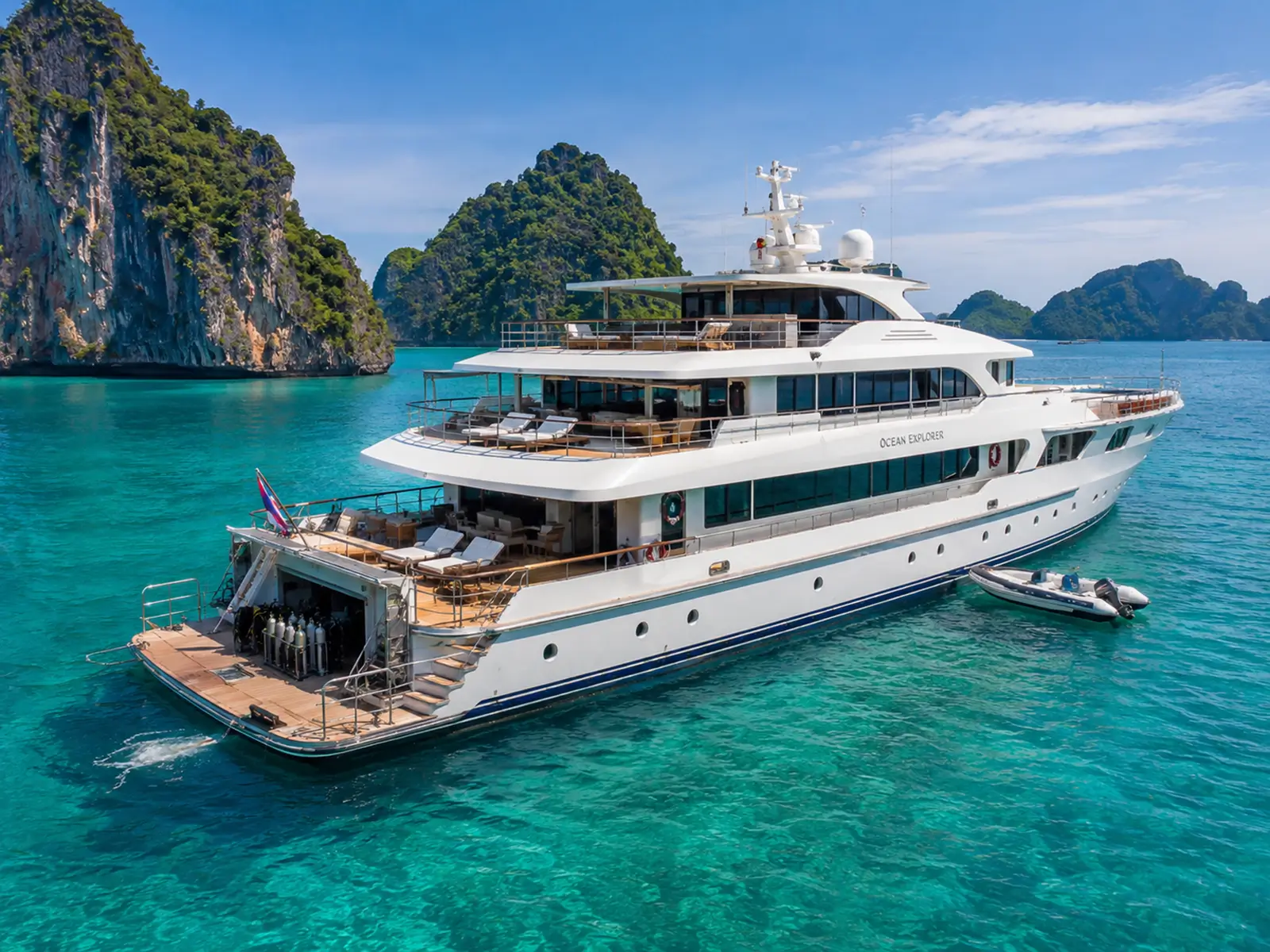
Buying a Liveaboard Dive Business: What to Check First
Buying a liveaboard dive business is not the same as buying a normal dive boat.
A day dive boat takes customers out for a few hours. A liveaboard becomes the customer’s hotel, restaurant, dive platform, transport and holiday experience for several days at sea.
That makes the business more complex — but also potentially more valuable.
A successful liveaboard can attract divers from around the world, operate premium trips, build strong repeat demand and access remote dive sites that day boats cannot reach. But it also carries higher costs, stricter safety responsibilities, more staff needs and greater operational risk.
On "Dive Listings", buyers can compare scuba-related opportunities, including dive boats, dive centers and liveaboards. If you are considering a vessel designed for multi-day dive trips, you need to evaluate it as both a boat and a hospitality business.
If you are looking for a smaller day-trip vessel, start with "buy a dive boat". This guide focuses specifically on buying a liveaboard dive business.
1. Understand the Liveaboard Business Model
A liveaboard is a complete travel product.
The buyer is not only purchasing a boat. They may also be buying routes, customer reviews, booking channels, staff knowledge, brand reputation, permits, equipment, safety systems and future trip revenue.
A liveaboard business may earn money from:
- Multi-day dive trips
- Cabin bookings
- Private charters
- Group bookings
- Dive courses
- Equipment rental
- Nitrox packages
- Marine park fees
- Photography trips
- Specialty expeditions
- Travel agency partnerships
This is very different from a small dive center or day boat.
Before buying, understand whether the liveaboard is positioned as budget, mid-range, premium, expedition, technical diving, family-friendly, photography-focused or private charter.
The business model affects pricing, crew requirements, guest expectations and operating costs.
2. Check the Vessel Condition Carefully
The vessel is the heart of the business.
A liveaboard works harder than many private boats because it carries guests, crew, food, water, fuel, dive gear and safety equipment over multiple days.
Before making an offer, check:
- Hull condition
- Engine condition
- Generator condition
- Electrical systems
- Plumbing
- Fresh water systems
- Fuel systems
- Air conditioning
- Navigation equipment
- Communication equipment
- Galley condition
- Cabins and bathrooms
- Dive deck
- Compressor and filling station
- Safety equipment
- Recent repairs
- Upcoming maintenance
A liveaboard may look attractive in marketing photos but still need serious technical investment.
Use a professional marine surveyor before completing the purchase. For larger vessels, this is not optional.
A hidden engine, hull, generator or safety issue can change the entire value of the deal.
3. Review Cabin Layout and Guest Capacity
Liveaboard revenue depends heavily on guest capacity and cabin comfort.
But more beds do not always mean a better business.
Check:
- Number of cabins
- Number of berths
- Ensuite bathrooms
- Shared bathrooms
- Air conditioning
- Storage space
- Bed size and layout
- Noise levels
- Ventilation
- Natural light
- Privacy
- Cleaning access
- Crew cabins
A liveaboard licensed for many guests may still feel uncomfortable if cabins are too small, bathrooms are poor or common areas are limited.
Guest comfort affects reviews, repeat bookings and pricing power.
A premium liveaboard needs higher standards. A budget liveaboard may not need luxury, but it still needs cleanliness, safety and practical comfort.
4. The Dive Deck Must Work Efficiently
The dive deck is one of the most important parts of the liveaboard.
A good dive deck makes operations safer, faster and more enjoyable. A poor layout can create stress for guests and crew.
Check for:
- Tank racks
- Gear storage
- Camera table
- Charging area
- Rinse tanks
- Drying space
- Easy water entry
- Strong dive ladders
- Crew assistance areas
- Non-slip surfaces
- Oxygen access
- Briefing area
- Space for multiple dive groups
Liveaboards often run several dives per day. That means the dive deck must handle repeated gear setup, entries, exits, tank changes and guest movement.
If the dive deck is cramped or poorly designed, it may limit guest satisfaction and operational efficiency.
5. Check Routes and Itineraries
A liveaboard business is often built around its routes.
The vessel may visit remote reefs, wrecks, marine parks, shark sites or seasonal wildlife areas. These routes can be a major part of the value.
Ask:
- What routes are currently offered?
- Which routes are most profitable?
- Which routes have the best reviews?
- Are permits needed for specific areas?
- Are marine park fees required?
- Are routes seasonal?
- How far are the routes from port?
- Are fuel costs predictable?
- Are alternative routes available in bad weather?
- Are there exclusive or hard-to-access dive sites?
A liveaboard with strong, proven itineraries may be more valuable than a vessel alone.
But routes must be legally and practically usable by the new owner.
If the business depends on one famous route, check whether access can continue after the sale.
6. Occupancy and Booking History Matter
A liveaboard’s value depends strongly on occupancy.
A beautiful vessel is not enough if cabins are often empty.
Ask for booking data such as:
- Annual occupancy rate
- Average trip occupancy
- High and low season bookings
- Average price per guest
- Private charter history
- Repeat customer rate
- Cancellation rate
- Forward bookings
- Main booking channels
- Travel agency relationships
- Direct booking percentage
A liveaboard with strong forward bookings and repeat customers may be much more attractive than one that relies on last-minute sales.
Also check how far in advance guests normally book. Some liveaboard markets rely on long booking windows, especially for international travelers.
Booking history gives a clearer picture than photos or optimistic claims.
7. Understand Crew Requirements
A liveaboard depends heavily on crew.
Unlike a day boat, the team may include several roles:
- Captain
- Engineer
- Dive guides
- Instructors
- Deck crew
- Cook or chef
- Housekeeping
- Trip manager
- Booking or office support
Buyers should understand who currently works in the business and whether they will stay after the sale.
Ask:
- Who are the key crew members?
- Are contracts legal and current?
- Are qualifications valid?
- Are crew seasonal or permanent?
- Are work permits needed?
- Is accommodation provided onboard?
- What languages do staff speak?
- Who knows the routes best?
- Who handles emergencies?
- Who manages guest service?
Crew quality directly affects guest experience and safety.
A liveaboard with an experienced, stable crew is usually easier to take over than one where the seller personally manages everything.
 |
8. Safety and Compliance Are Critical
Safety is always important in diving, but on a liveaboard it becomes even more serious.
Guests sleep onboard. The vessel may be far from shore. Weather can change. Medical help may be distant. Fire, engine failure or evacuation problems can be serious.
Before buying, check:
- Vessel registration
- Passenger certificate
- Insurance
- Fire safety systems
- Life rafts
- Life jackets
- Emergency oxygen
- First aid kits
- Radio and satellite communication
- Navigation systems
- Emergency procedures
- Crew certifications
- Dive safety procedures
- Incident history
- Inspection records
- Marine park permits
- Local operating permissions
Do not treat compliance as paperwork only.
A liveaboard must be safe in real operating conditions.
For a deeper safety-focused guide, read "dive boat safety and compliance".
9. Operating Costs Can Be High
Liveaboards can generate strong revenue, but costs can also be significant.
Common costs include:
- Fuel
- Crew salaries
- Food and drinks
- Port fees
- Marine park fees
- Insurance
- Vessel maintenance
- Engine service
- Generator service
- Compressor maintenance
- Safety inspections
- Cleaning
- Laundry
- Booking commissions
- Marketing
- Repairs
- Spare parts
- Office support
A liveaboard may look profitable when trips are full, but margins can fall quickly if occupancy drops or fuel costs rise.
Before buying, calculate the cost of a typical trip.
You should know:
- Cost per trip
- Cost per guest
- Break-even occupancy
- Average profit per trip
- Low-season costs
- Maintenance reserve
For a more detailed cost article, read "dive boat operating costs".
10. Food, Hospitality and Guest Experience Matter
A liveaboard is not only about diving.
Guests also judge the food, cabins, cleanliness, staff attitude, social atmosphere, comfort and organization.
Reviews may mention:
- Quality of meals
- Cabin comfort
- Bathroom cleanliness
- Air conditioning
- Boat stability
- Crew friendliness
- Dive briefings
- Safety culture
- Trip organization
- Camera facilities
- Wi-Fi or communication
- Value for money
A buyer should read reviews carefully.
A vessel with good dive sites but poor hospitality may need major service improvements.
A liveaboard with strong guest experience can command better prices and generate repeat bookings.
11. Check Sales Channels and Travel Partners
Liveaboards often depend on a mix of direct bookings and travel partners.
Booking channels may include:
- Business website
- Email inquiries
- Specialist dive travel agencies
- Online liveaboard platforms
- Tour operators
- Dive clubs
- Repeat customers
- Social media
- Group leaders
- Photography trip organizers
Each channel has different margins and stability.
Direct bookings may be more profitable. Agency bookings may bring volume but include commissions.
Ask which channels generate the most bookings and whether those relationships will continue after the sale.
If a large part of revenue depends on one agency or one group leader, the buyer should understand the risk.
12. Digital Reputation Can Drive Value
A liveaboard business may receive bookings from customers who never visit the office before boarding.
That means online trust is essential.
Check:
- Website quality
- Online booking process
- Google reviews
- Liveaboard platform reviews
- TripAdvisor reviews
- Social media activity
- Photos and videos
- Email response process
- Repeat guest list
- Newsletter database
Strong photos, honest itineraries, good reviews and a professional booking process can add real value.
But digital assets must be transferable.
Make sure the website, domain, review profiles, social accounts, booking systems and customer database can be transferred to the buyer.
13. Maintenance Planning Affects Value
A liveaboard requires constant maintenance.
A buyer should ask not only what the vessel looks like today, but what work is coming soon.
Important areas include:
- Dry dock schedule
- Hull maintenance
- Engine service
- Generator service
- Air conditioning
- Plumbing
- Electrical systems
- Compressor service
- Safety equipment renewal
- Cabin upgrades
- Deck repairs
- Navigation equipment
- Paint and cosmetic work
Upcoming maintenance can significantly affect value.
A liveaboard with strong bookings but major dry dock work due soon may require a large cash reserve after purchase.
Ask the seller for a maintenance history and a realistic list of expected costs in the next 12–24 months.
14. Do Not Buy Only the Dream
Liveaboards are emotionally attractive.
The idea of owning a dive vessel, traveling to remote sites and hosting divers from around the world can feel like a dream business.
But the buyer must look at the numbers and operations calmly.
Before buying, ask:
- Is occupancy strong enough?
- Are the routes profitable?
- Is the vessel in good condition?
- Are permits secure?
- Is the crew stable?
- Are safety systems professional?
- Are booking channels transferable?
- Are operating costs realistic?
- Is enough working capital available?
- Can the business run without the current owner?
A liveaboard can be an excellent business, but it is not passive.
It requires management, maintenance, guest service, safety discipline and financial planning.
15. Liveaboard or Day Dive Boat?
Some buyers are unsure whether they need a liveaboard or a day dive boat.
A day dive boat may be better if you want:
- Simpler operations
- Lower staffing needs
- Shorter trips
- Lower guest accommodation responsibility
- Easier maintenance
- A smaller investment
- Local dive site access
A liveaboard may be better if you want:
- Multi-day trips
- Remote dive sites
- Higher-value packages
- International guests
- Full travel product
- Stronger destination branding
- More complex but potentially larger operation
The right choice depends on budget, experience, destination and risk tolerance.
A liveaboard is not just a bigger dive boat. It is a different business model.
Final Thoughts
Buying a liveaboard dive business can be a strong opportunity for the right buyer.
It can offer access to remote dive sites, international guests, premium trips, repeat customers and a powerful travel product.
But it also brings higher responsibility.
Before buying, check the vessel condition, cabins, dive deck, routes, occupancy, crew, safety, compliance, operating costs, booking channels, guest experience and maintenance needs.
A good liveaboard is not only a boat with beds.
It is a safe, well-run, profitable and transferable hospitality business built around diving.
The best purchase is one where the vessel, team, routes, bookings and numbers all support the asking price.
Next Steps for Buyers
If you are looking for a smaller day-trip vessel, start with "buy a dive boat".
Before calculating your budget, review "dive boat operating costs".
Before making an offer, check "dive boat safety and compliance".
If you are comparing a full scuba operation, read "how to buy a dive center".
If you are ready to compare opportunities, browse current "liveaboards for sale" on "Dive Listings".
You can also explore more guides in our "Dive Boats & Liveaboards" section.
 |